Public institutions can be viewed from two perspectives: as employers operating within the public sector, and as organisations responsible for shaping and supporting the labour market by acting as regulators, partners, and facilitators of socio-economic development. In the first role, all the issues discussed in the For employers section are equally relevant. In the second, public institutions are interested in working time reduction because of its potential impact on the labour market, public health, and economic development.
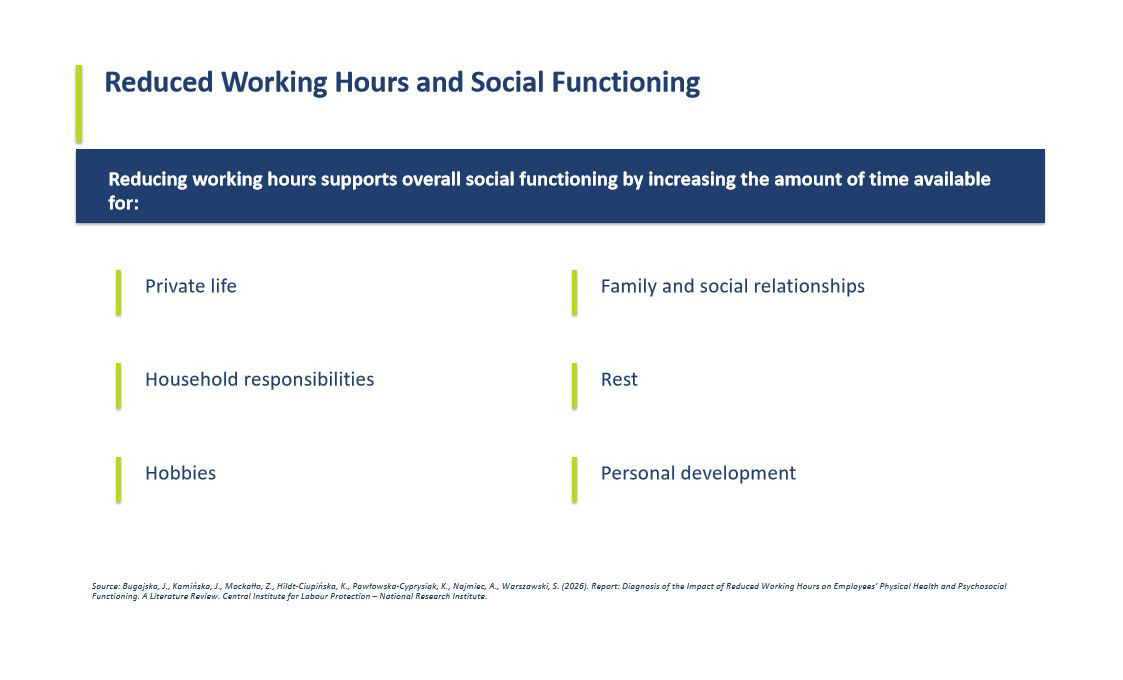
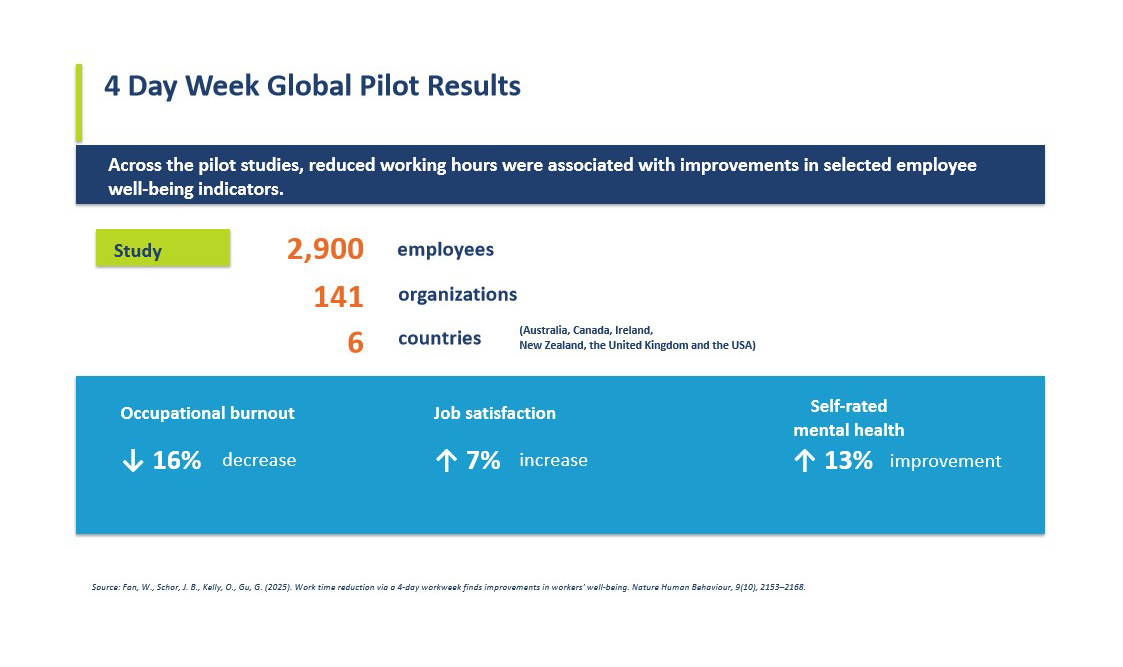
Working time reduction can help people better balance their professional and family responsibilities, support the labour market participation of older workers, reduce fatigue and burnout, and contribute to improved employee health, lower sickness absence, and enhanced workplace safety. At the same time, increased leisure time may stimulate demand for services and other time-intensive goods, supporting economic growth, particularly within the service sector.
The project team supports public institutions by:
identifying the factors that influence employers’ and employees’ readiness to implement working time reduction;
assessing employers’ and employees’ expectations of public institutions with regard to measures that support the implementation of working time reduction;
identifying national and international good practices in consulting, negotiating, and implementing working time reduction at the organisational, sectoral, and national levels;
developing evidence-based recommendations to support the design and implementation of strategies for introducing working time reduction.
RESEARCH FINDINGS
GOOD PRACTICES
Realizatorzy projektu starają się wspomóc pracodawców poprzez:
One of the project’s key activities is the identification of good practices for implementing working time reduction. By the end of July 2027, examples from organisations operating in Poland will be compiled, followed by examples from selected European countries by the end of August 2027. This section will present case studies, organisational approaches, and key lessons that can support public institutions in developing and implementing policies related to working time reduction.
TRAININGS
By the end of November 2027, a series of training sessions will be delivered for representatives of employers, public institutions, and the National Labour Inspectorate, focusing on Polish and international experiences in implementing working time reduction. This section provides information on training schedules, programme agendas, and supporting training materials.
RECCOMENDATIONS
The final outcome of the project will be the development of recommendations to support the design and implementation of strategies for working time reduction. These recommendations will be completed by the end of January 2028 and will provide a concise synthesis of the project’s research findings, analyses, and identified good practices.